

Loading...
France might seem like endless wine, Eiffel Tower selfies, and lazy afternoons in sunlit cafes, but it is a place that flips the script on every expectation. You'll sprint through metro tunnels in Paris, slow your pace for a village market, and find yourself debating cheese with a stranger on a train.
To help you blend in, eat brilliantly, and dodge tourist blunders, these France travel tips will save you time and stress and make each day feel like your own little adventure.

Written by Hannah Govender

Reviewed by Hannah Govender

Updated August 1, 2026
Spring in France brings mild temperatures and blooming gardens, making it perfect for strolling along city boulevards and visiting flower-filled parks. It's also an excellent time for wine tours and countryside drives, with fewer crowds at top attractions.
Summer is the peak travel season, with long sunny days ideal for exploring the Mediterranean coast, relaxing on beaches, and enjoying lively outdoor festivals. Expect busy cities and higher prices, but also a vibrant holiday atmosphere across France.
Autumn is harvest time in wine regions and brings cooler air and beautiful changing colors to the countryside. It's a great season for food markets, vineyard tours, and fewer crowds at major sights.
Winter is for festive lights in cities, Christmas markets in Alsace, and skiing in the Alps or Pyrenees. Cities are quieter and museums are less crowded, while mountain resorts come alive for the ski season.
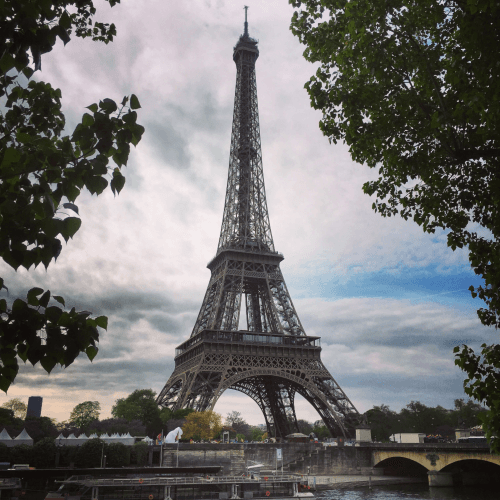
No trip to France is complete without seeing the Eiffel Tower, but many visitors are surprised by how quickly tickets sell out. From the 276m summit, Paris unfolds like a real map: the Seine curves past Notre-Dame, Montmartre stands out to the north, and the towers of La Défense line the horizon.
Elevator tickets are released 60 days in advance at midnight Paris time, and this is the most important window to watch.
These go on sale closer to the visit date; the release window changes (recently between 14-30 days ahead), so always check the current calendar rather than relying on a fixed rule.
Dates in July and August sell out within hours, especially for Summit tickets.
Mornings are cooler with shorter security lines and the chance for the best photos before midday haze sets in.
See the city in golden light, then catch the tower's sparkling lights after dark every hour.
€23.50 by lift or €14.80 by stairs. Features glass floor panels and a close look at the tower's ironwork.
€36.70 covers the full Paris panorama and a visit to Gustave Eiffel's restored office from 1889.
Mont Saint-Michel rises dramatically from Normandy's tidal flats, crowned by an abbey that looks almost unreal until you stand on the causeway watching the tide surround it. The village and ramparts are open anytime, but the abbey at the top requires a ticket.
Open 24/7, free for the ramparts and Grande Rue. No ticket needed.
€16 for adults (April to September), €13 (October to March).
Open 9:00 AM to 7:00 PM in summer, 9:30 AM to 6:00 PM for the rest of the year. Last entry is one hour before closing.
Closed on January 1, May 1, and December 25, plus occasional exceptional closures. Always check if the abbey is your main reason to visit.
Park on the mainland about 2.5km away; take the free Le Passeur shuttle or walk 40-50 minutes to the island.
Take the TGV from Paris Montparnasse to Rennes (about 2 hours), then a connecting bus (around 1 hour 10 minutes).
Go at low tide for a walk along the causeway, and arrive early to enjoy quieter streets before tour groups arrive.
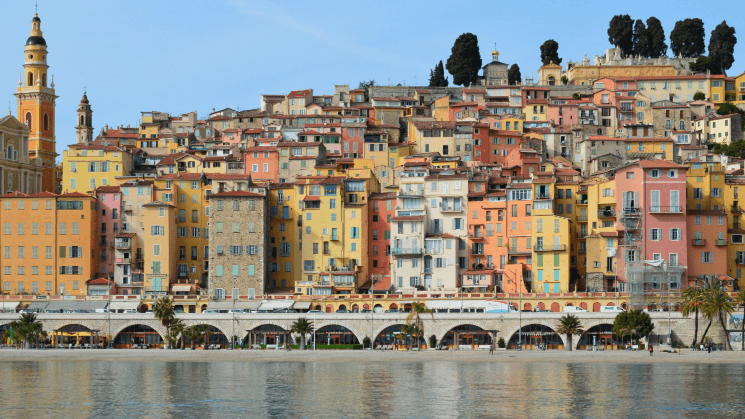
Colmar in Alsace is a medieval town filled with half-timbered houses and flower-lined canals, offering a peaceful escape from the crowds that flock to more famous spots.
Direct TGV from Paris Gare de l'Est in about 2 hours 30 minutes, or via Strasbourg (1 hour 45 minutes plus a 35-minute regional connection).
Both cities are under 1.5 hours away, making Colmar an easy day trip from either.
Explore the canal district on foot or by boat, passing by historic fishermen's houses.
Home to the Isenheim Altarpiece, a major work of German Renaissance art.
See the best-preserved half-timbered facades in the old town.
Flower boxes bloom, the weather is mild, and crowds are smaller than in summer.
Colmar's Christmas markets are famous, but hotels fill up months in advance due to high demand.
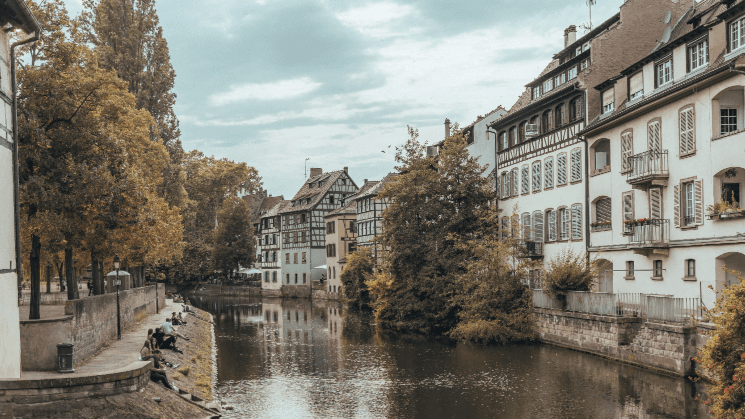
Collioure, a Catalan fishing port on the Vermeille Coast, inspired artists like Matisse and Derain. The same bell tower and colorful boats they painted are still there, making the harbor a beautiful sight.
TER trains run direct from Perpignan in about 20 minutes, with around 11 daily connections.
Take the TGV to Perpignan, then transfer for a short regional train to Collioure. The total journey is about 6 hours.
The fortress that guards the harbor.
The iconic bell-tower-turned-lighthouse seen in every postcard of Collioure.
The old fishermen's quarter with narrow lanes, artisan shops, and the best light in the late afternoon.
Three days lets you see Paris and add one nearby destination. Spend two days exploring central Paris, including the Eiffel Tower, Louvre, and Montmartre, then take the short train to Versailles or visit Rouen for a Normandy experience without the long journey to Mont Saint-Michel.
Five days is enough to pair Paris with Normandy. After two days in Paris, head by train to Rennes, then take a bus to Mont Saint-Michel for an overnight stay. Arriving late afternoon helps you avoid the day-trip crowds. Spend your last day in Bayeux or Honfleur before returning to Paris.
A week covers Paris, Normandy, and an extra region without feeling rushed. Follow the 5-day itinerary, then take the TGV south to the Loire Valley for two days exploring châteaux around Amboise or Chenonceau.
Nine days allows you to travel from the north coast down to the south. Extend the one-week route by adding Lyon and then Provence, with final days spent exploring Avignon or Aix-en-Provence's markets and enjoying relaxed mornings.
Two weeks is enough to cross France without backtracking. Start in Paris and Normandy, pass through the Loire Valley, continue to Provence and the Côte d'Azur, and end with a few days in Collioure or the Pyrenees before flying out of Perpignan or Toulouse.
France is in the Schengen area, so most travelers can visit for up to 90 days in any 180-day period without a visa, but always check your own nationality's rules. EU, EEA, and Swiss citizens can enter with an ID card, while many other nationalities need only a passport. Non-EU visitors should know that biometric EES checks now apply at the border. Remember, the 90-day limit is for the whole Schengen area, not per country. ETIAS is not required yet; any website selling it now is not legitimate.
The euro (€) is France's official currency. Expect to pay about €1.50 for a coffee at the bar and €3 to €5 for a beer. A casual meal at a local restaurant usually starts from €15. Sitting at a terrace typically costs more than standing at the counter, which surprises many visitors.
France's climate and culture catch travelers out. Bring shoes that can handle cobblestones and long walks in museums. For visiting cathedrals and churches, cover your shoulders and knees, as entry is strictly enforced even with a prepaid ticket. A light jacket or sweater is useful for cool evenings and over-air-conditioned TGV trains, and in summer, real sun protection and a refillable water bottle are essential for the south. If your plans include Paris restaurants, pack something smarter than shorts and trainers. In winter, bring a warm coat, scarf, gloves, and waterproof shoes for chilly city streets.

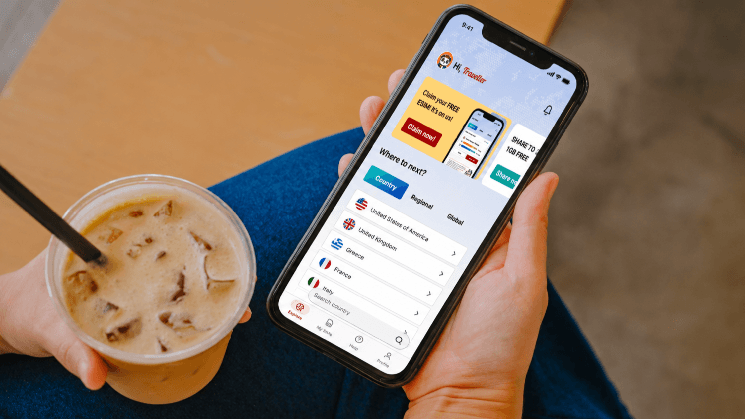
France has generally strong mobile coverage, but it can drop in rural areas, in the Alps or Pyrenees, parts of Corsica, and on some TGV routes. Free Wi-Fi is common in hotels and cafes, but most daily life runs on mobile data. Roaming costs depend on your home plan: travelers from outside the EU often pay daily fees or steep per-megabyte charges, while those on EU plans can use their data at no extra cost under fair-use rules.
France balances a liberal public life with some conservative streaks in daily routines and dress, especially outside big cities. Laïcité, the separation of religion and state, is strong: religious dress is not allowed in public schools or government buildings, which visitors will see on official signs. Alcohol is widely accepted in social settings, but public drunkenness, loud behavior, and overt displays of religion in official spaces are rare.
France is both legally and socially one of the safest places for LGBTQ+ travelers, especially in Paris, Marseille, and Lyon. Public affection is common in large cities and most beach towns but tends to draw more attention in rural areas; it's still safe, just more discreet outside urban centers.
Politeness matters: always greet with bonjour before starting any conversation, even at shops or cafés. Tipping is included in restaurant bills, but rounding up by a few euros is appreciated. Dress modestly for religious sites, and respect visiting hours and noise levels. Fines exist for dropping litter or putting feet on train seats. The biggest mistake tourists make is skipping the bonjour greeting, which can be seen as rude.

France is a food lover's dream, but eating with dietary restrictions can be a challenge. Vegetarian and vegan options are easier to find in big cities, but traditional bistros often focus on cheese, meat, and eggs. Common allergens include dairy, nuts, and gluten, so always check the menu or ask staff. Halal and kosher food is available in most cities, but rare in small towns. Useful phrases: Je suis végétarien(ne) (I am vegetarian), Je ne mange pas de... (I do not eat...).
| Cost | When to use it | |
|---|---|---|
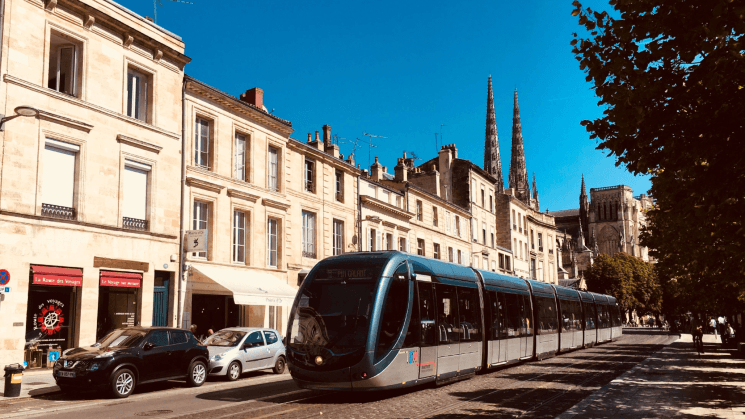
| Train / Metro | A single Metro-Train-RER ticket in Paris runs a little over €2.50, with Bus-Tram tickets slightly cheaper; other French cities' single tickets typically fall between €1.50 and €2.20. Fares are reviewed periodically, so check SNCF Connect or the local operator's app for the current rate. | The default for both city travel and moving between cities. High-speed TGV lines beat flying on routes like Paris-Lyon, Paris-Bordeaux, and Paris-Marseille. Advance booking saves money, and always check for strikes before travel day. |
| Taxi | Flag-fall starts around €4, with a per-kilometre rate of roughly €1.20 during the day, rising to about €1.60 at night, on weekends, or in the suburbs. | Best for late nights, lots of luggage, or when public transport is not available. Taxis are metered and regulated. Flagging one on the street is uncommon outside Paris; use a rank or app. |
| Ride-hail | Ride-hail apps often cost about the same as metered taxis, but prices surge at peak times, which can cancel out any savings. | Uber, Bolt, and Free Now operate in France-mainly in big cities. Ride-hail is great for a fixed price or if you do not have cash, but coverage is limited outside major urban areas. |
| Car hire | Rental rates start from €35-€50 a day in low season and rise in summer. Add fuel, motorway tolls, and city parking fees. Remember the sticker needed for low-emission zones, and camera fines for violations can arrive months later. | Best for exploring the Loire, Provence, the Dordogne, or the coast. Not practical in Paris. Watch out for low-emission zones in big cities, tolls, and tricky parking in old town centers. |
European visitors with an EHIC or UK GHIC get medically necessary state care in France but pay up front and reclaim most costs after. Visitors from outside Europe have no reciprocal cover, so even a regular doctor visit is out of pocket without insurance. Insurance is worth having for everyone: it covers repatriation home, private clinics, and mountain rescue, which state schemes do not. For example, a mountain rescue in the Alps can cost over €600 without cover.
Seek out regional specialties at local markets or bakeries: try a fresh croissant or pain au chocolat for breakfast, a buckwheat galette in Brittany, or cassoulet in the southwest. In Lyon, opt for a bouchon meal, while the Mediterranean coast is best for seafood and bouillabaisse. Each region has its own culinary identity-ask locals for their favorites.
Wine is the classic French drink, but each region has its own-try rosé in Provence, Champagne in the northeast, or cider in Normandy. Enjoy drinks with meals or at a café terrace, and know that clinking glasses and saying 'santé' is good form.
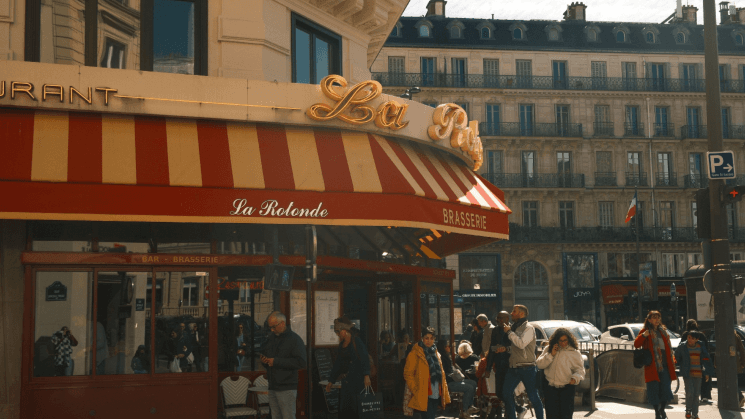
The biggest dining mistake: eating at touristy spots, missing kitchen hours (most close firmly between lunch and dinner), and expecting to eat late at night outside major cities. Tipping is rounding up, not a percentage. For the best experience, follow local meal times and order the set menu or dish of the day.
It depends on your passport. EU, EEA, and Swiss citizens need only an ID card and can stay with no limit. Many other nationalities can enter visa-free for up to 90 days in any 180 days, while others need a Schengen visa in advance. Non-EU visitors now go through EES biometric checks-always check the official portal for your own nationality.
France sets a daily minimum for non-EU visitors, which varies if you have prepaid accommodation or a certificate of accommodation. The current daily figures are published in euros and rarely checked but may be requested. Always verify the latest amounts on the official French government portal, as they are updated regularly.
Avoid walking into shops or bakeries without saying bonjour, do not expect English everywhere, and remember that meal times are fixed so you cannot eat at any hour. Never leave your phone or bag loose on a Paris terrace table.
France is not fully cashless. Card and contactless payments are widely accepted in cities and more common in small towns, but cash is still needed for markets, small shops, some bakeries, and where card minimums apply. Many places now accept phone payments too.
Failing to greet with a polite bonjour or bonsoir before starting a conversation is seen as disrespectful. Speaking loudly in public, on transport, or in restaurants is also frowned upon, as it disturbs social harmony.
ABOUT THE AUTHOR

Thailand is famous for its stunning beaches, vibrant street food, tropical islands, and unforgettable experiences. But if you want to enjoy all this without blowing your budget, a little planning goes a long way. Before you book your flight, take some time to learn where your money can work hardest: from finding affordable places to stay and tasty local food, to knowing which expenses are worth skipping. A bit of know-how can help you stretch your travel budget further and make your adventure even more rewarding.
Few things are more frustrating than returning from holiday to a huge roaming bill. This guide breaks down what data roaming is and explores affordable alternatives for travellers.
Turkey has endless places to explore, but choosing what's worth your time isn't always easy. From ancient ruins to vibrant cities and breathtaking landscapes, there's plenty to discover. This guide highlights the best things to do in Turkey.
