

Loading...
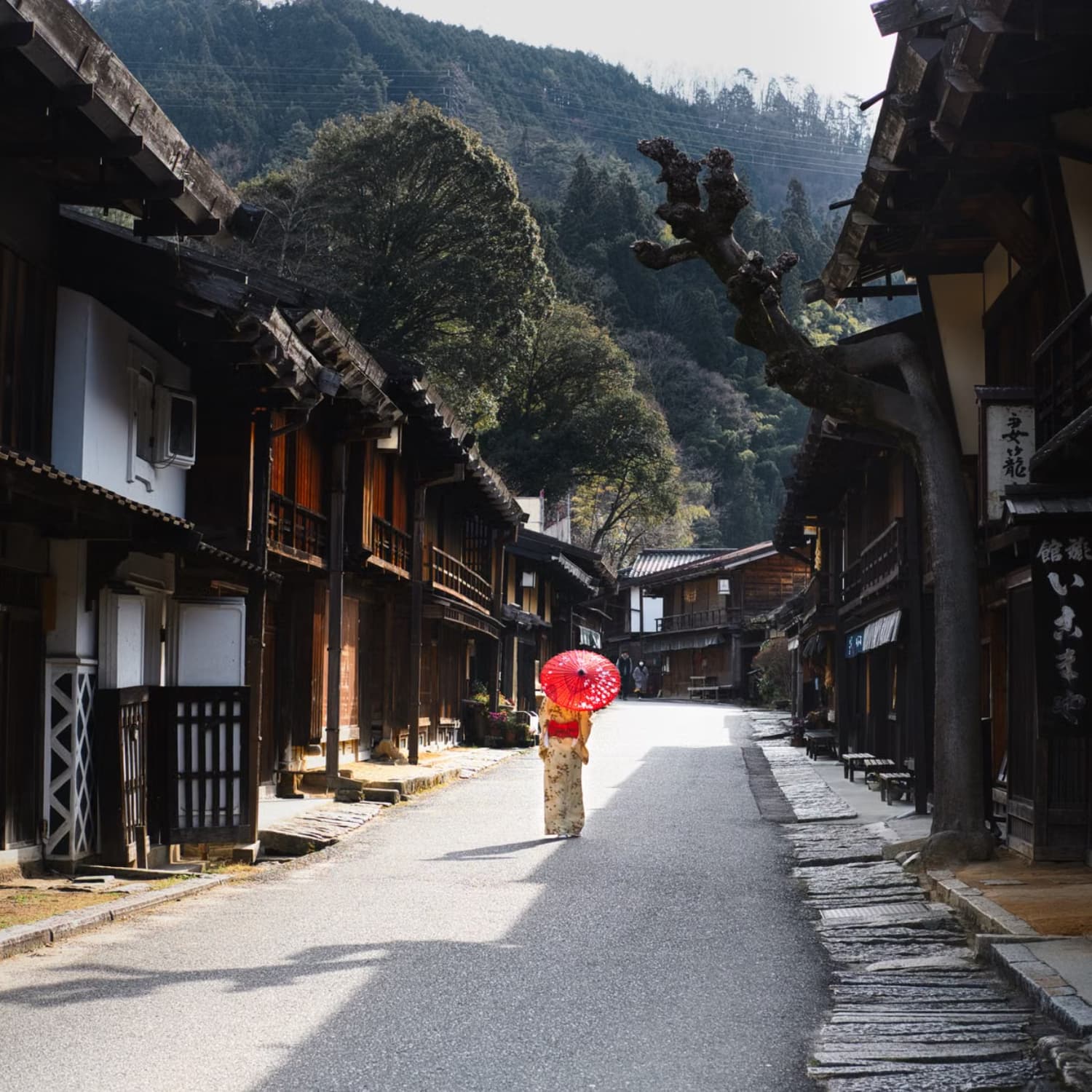
Japan is renowned for its extremely low violent crime rates and a culture where lost items are often returned untouched. Even solo travelers, including women, routinely feel safe on public transport and in city streets at all hours. Experience genuine peace of mind in Japan.

Written by Kimara Greyling

Reviewed by Kimara Greyling

Updated August 27, 2026
Japan is one of the safest countries for tourists, ranking highly on the Global Peace Index and consistently rated low risk by the US State Department, UK FCDO, and Australia's DFAT. Violent crime is extremely rare. The main risks for visitors are natural disasters like earthquakes and typhoons, petty theft in busy urban areas, and road safety, especially in cities. Street crime is much lower than in most tourist destinations. Stay aware of weather alerts and take basic precautions in crowded places. Overall, Japan is a very safe destination.
Japan has a much lower crime rate for tourists than most popular destinations, but risks do exist. Crime affecting visitors falls into two main categories: theft (pickpocketing, bag snatching) and scams (overcharging, donation or petition schemes). Most issues are opportunistic rather than violent, and being alert in busy or tourist-heavy areas helps limit your risk.
| Safety Profile | Main Risks | Practical Tip | |
|---|---|---|---|
| Tokyo | Very safe for tourists, with excellent infrastructure and very low violent crime. | Roppongi nightlife, train crowding, earthquake exposure. | Use women-only train cars during rush hours if desired. |
| Osaka | Safe for tourists, but nightlife scams in Namba do occur. | Namba nightlife, host bar overcharging, crowd density. | Avoid bars that aggressively solicit you in entertainment areas. |
| Kyoto | Very safe city, but extreme crowding is common in peak season. | Extreme crowd density at peak seasons, cycling risks, heat in summer. | Plan visits early to avoid crowds and heat. |
| Hokkaido | Safe, but winter travel brings unique risks in rural areas. | Winter driving, bear encounters in rural areas, earthquake and tsunami exposure. | Check weather and road conditions before winter trips. |
| Okinawa | Safe and relaxed, but typhoon and sea hazards are real in season. | Typhoon season, sea hazards including habu jellyfish and strong currents, UV intensity. | Check typhoon forecasts and beware of jellyfish warnings. |
| Mount Fuji and Japanese Alps | Popular for hiking, but mountain risks and sudden weather changes are serious. | Altitude, unprepared hiking, sudden weather changes, overcrowding on the Fuji trails. | Prepare for altitude, pack layers, and avoid peak days on Fuji trails. |
Travel insurance is strongly recommended for Japan, as healthcare costs can be significant without coverage and natural disaster disruption can affect your plans. Make sure your policy covers these key areas:
Japan enforces strict drug laws. Even small amounts of cannabis can mean jail or deportation. Some cold remedies and ADHD medications are controlled, so check before you travel.
Photography is often restricted at shrines and temples, and photographing people without consent is frowned upon. Avoid taking photos near military, government, or private sites.
Walking while eating or drinking is seen as rude, especially in Kyoto. Drunkenness is tolerated but not disruptive behavior. Loud phone calls on trains are discouraged.
Many onsens still ban visible tattoos, though some tourist spots allow them. Check policies ahead or book a private bath (kashikiri-buro) for access.
Drones need registration and a permit for most city flights, near airports, and over crowds. Fines apply for unauthorized flights. See the Civil Aviation Bureau for details.
Japan is widely considered one of the safest countries in the world for solo travelers, including women. However, chikan (groping) on crowded trains is a real concern, especially in Tokyo and Osaka during rush hours. Women-only carriages are provided on many urban train lines during peak hours, clearly marked and easy to use. They are a practical and accepted option. If an incident occurs, report it to a station attendant or press the train's emergency button.
Japan is not involved in any armed conflict. While there are regional tensions, such as North Korea missile tests or issues around the Taiwan Strait, these rarely impact tourists. Domestically, Japan is stable, with a democratic government, low protest activity, and political violence is extremely rare. Tourists can expect a calm and orderly environment.
About the author
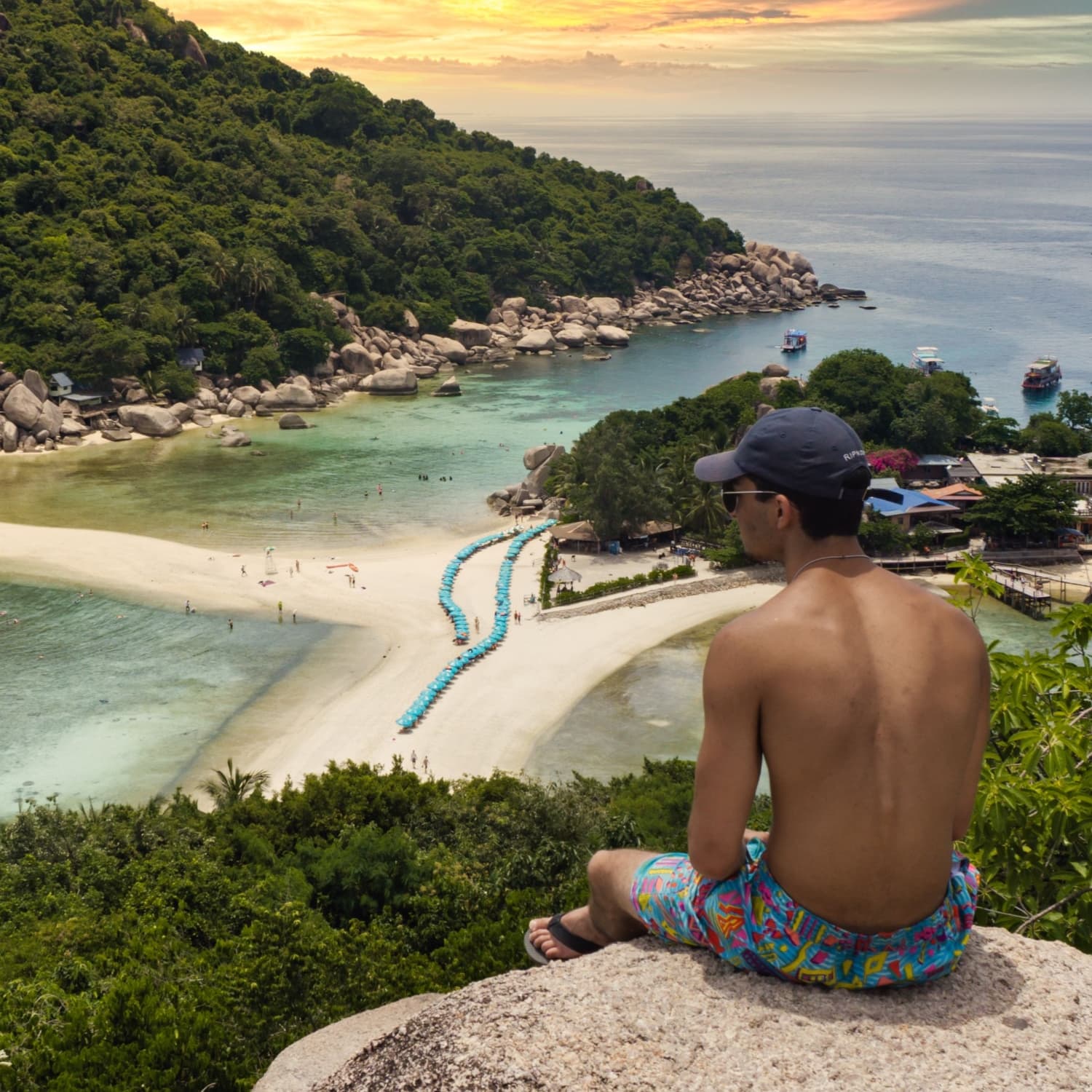
Thailand is famous for its stunning beaches, vibrant street food, tropical islands, and unforgettable experiences. But if you want to enjoy all this without blowing your budget, a little planning goes a long way. Before you book your flight, take some time to learn where your money can work hardest: from finding affordable places to stay and tasty local food, to knowing which expenses are worth skipping. A bit of know-how can help you stretch your travel budget further and make your adventure even more rewarding.
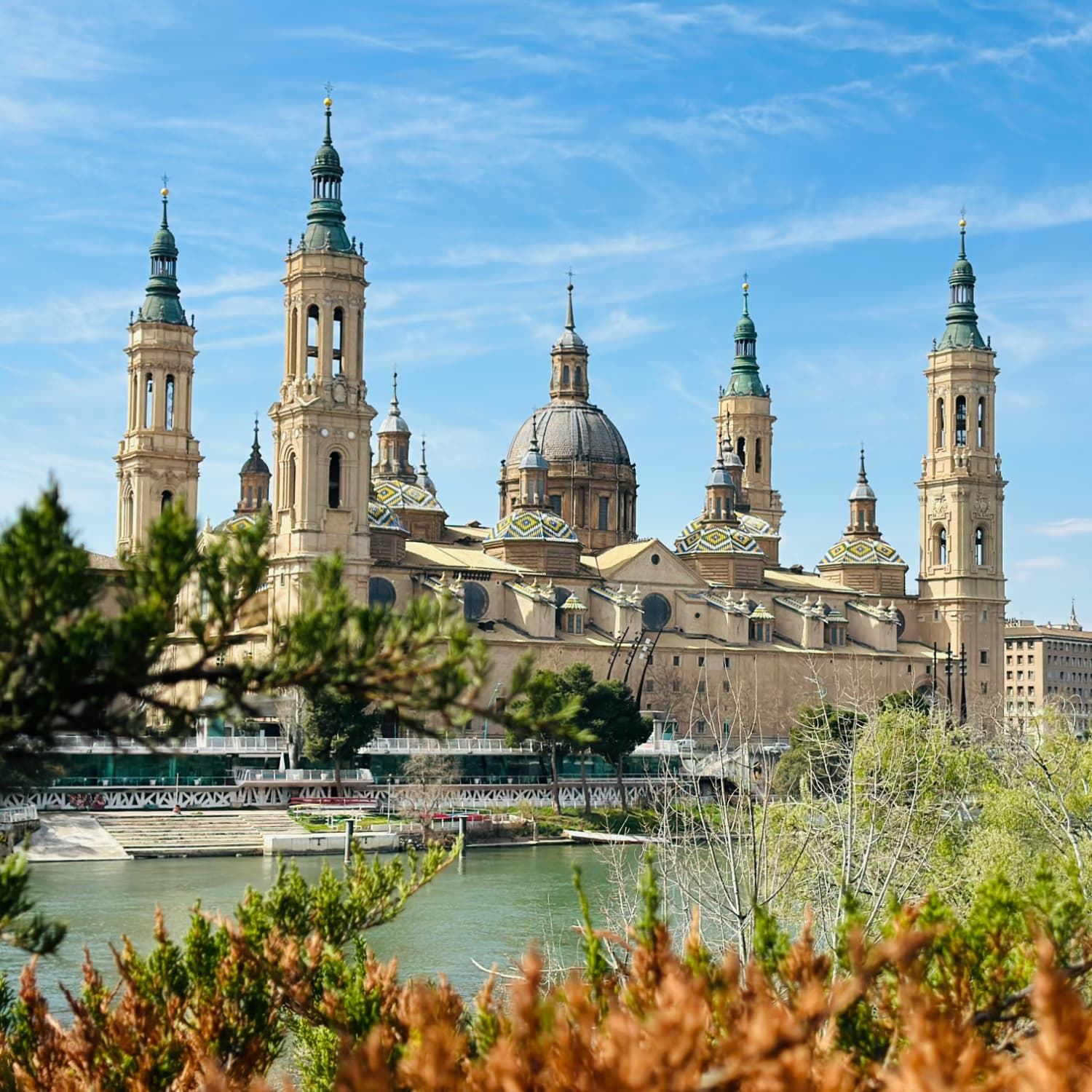
Spain might seem all flamenco, fiestas, and endless sunshine, but it is full of surprises beneath the surface. You'll crisscross medieval towns, lively late-night plazas, mountain trails dotted with wildflowers, and tucked-away surf beaches. In this guide, you'll find all the Spain travel tips you need.
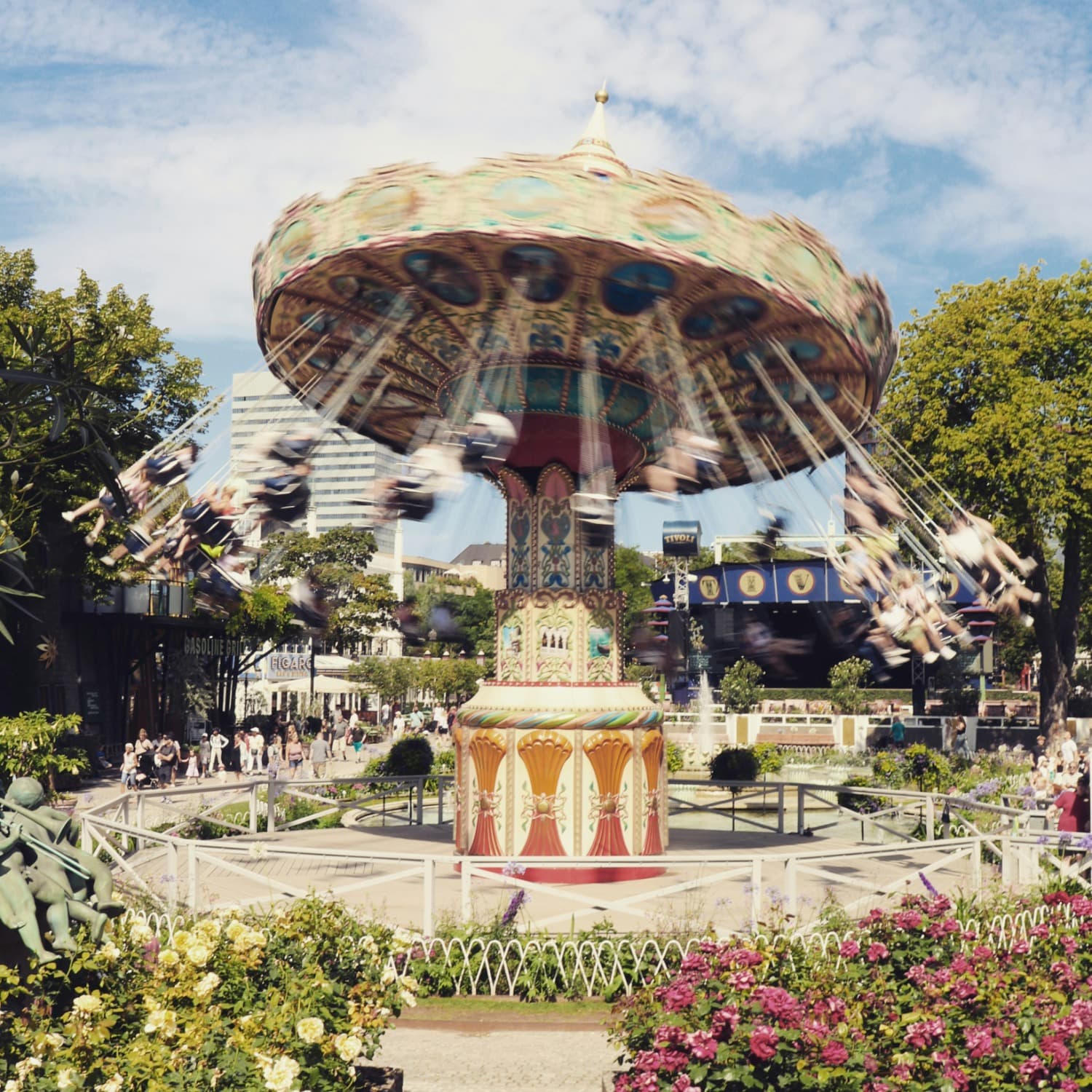
Denmark may be small, but fitting its best experiences into one trip isn't easy. From Copenhagen and castles to Viking sites and coastal escapes, this guide covers the best things to do in Denmark.
