

Loading...
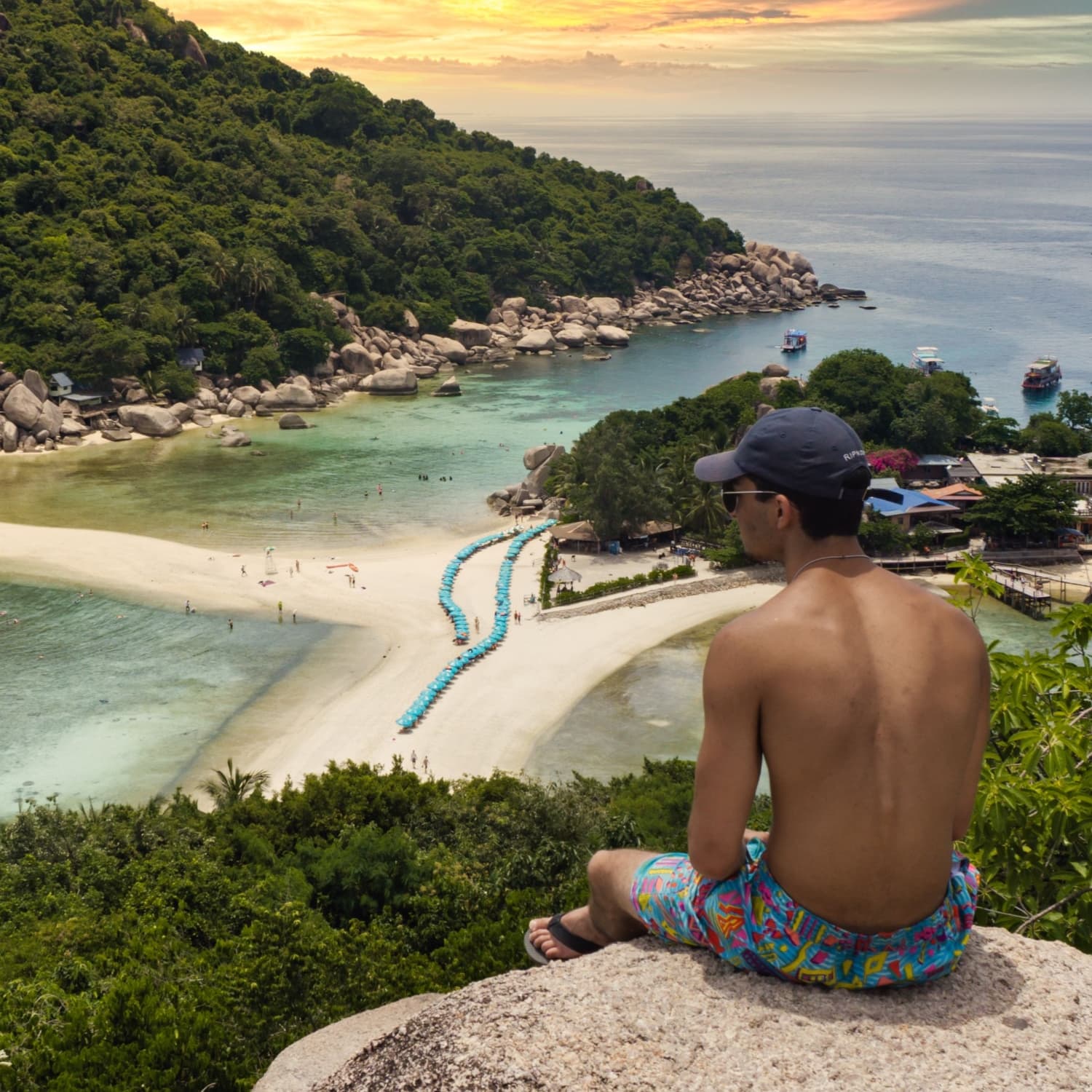
Thailand is famous for its stunning beaches, vibrant street food, tropical islands, and unforgettable experiences. But if you want to enjoy all this without blowing your budget, a little planning goes a long way. Before you book your flight, take some time to learn where your money can work hardest: from finding affordable places to stay and tasty local food, to knowing which expenses are worth skipping. A bit of know-how can help you stretch your travel budget further and make your adventure even more rewarding.

Written by Alvirno Jordan

Reviewed by Alvirno Jordan

Published 01 September 2026
Thailand can be very manageable on a modest budget. For a careful traveller, about $250 to $350 can be enough for one week, not including international flights. That can cover a dorm bed or simple guesthouse, local meals, buses or shared transport, and plenty of free or inexpensive things to do. The costs that usually push spending up are tourist priced restaurants, extra transfers and pricey organised tours, not everyday experiences.
Where you go in Thailand makes a big difference. Northern and mainland destinations often give better value, while well known islands and beach areas can cost more. Pick a sensible base, eat where local people eat and use public transport when you can. Those three choices can keep the whole trip much easier to manage.
| Travel style | 1 week budget | Per person | What this assumes | |
|---|---|---|---|---|
| Solo traveller | $250 to $350 | $250 to $350 | Hostel dorm, street food, local transport and mostly free or cheap activities | |
| Couple | $450 to $650 | $225 to $325 | Shared simple private room, local food, public transport and inexpensive activities | |
| Family of four | $750 to $950 | $188 to $238 | Family room or budget apartment, local food, shared transport and mostly free or low cost activities |
May to October is often a good time to make a budget go further in Thailand. With fewer visitors, accommodation can be cheaper and deals are easier to find. September can be one of the cheaper months for places to stay, but heavier rain can make beach focused trips less predictable.
November to February is usually the busier travel season in Thailand, so higher demand can make a $250 to $350 weekly budget harder to stick to. Christmas and New Year are especially tight for cheap rooms. Songkran in April can also push prices up around the festival dates.
If you are aiming for about $35 to $50 a day, compare accommodation prices before choosing your destination and dates. Saving even $5 to $10 a night can matter over a full week, leaving more money for food, transport and experiences.
Your base can shape whether a $250 to $350 week feels easy or stressful. Look for places with cheap rooms, affordable food and good transport links, so you can visit nearby sights without relying too much on flights or private transfers.
Northern Thailand is usually one of the easiest areas for stretching a budget. Chiang Mai is a good example, with inexpensive food, accommodation and activities. Bangkok can also work well because it has many sights, excellent public transport and plenty of cheap food. Krabi gives access to southern beaches while staying on the mainland, so rooms can be more affordable than on some islands. Islands such as Koh Samui, Koh Phangan and Koh Phi Phi can cost more, especially for accommodation and transfers.
You do not need to cover huge parts of Thailand for the trip to feel worthwhile. Choose one well connected base or region, take day trips nearby and avoid changing accommodation too often. Fewer transfers usually means more money for food, activities and memorable experiences.
Accommodation is one of the easiest parts of a Thailand budget to control. A little comparison before booking can make a big difference across a week.
Thailand has plenty of inexpensive accommodation if you compare carefully. In cheaper destinations, basic budget beds can sometimes be found for around $5 to $10 a night, with examples near $5 in Krabi and around $10 in Bangkok. Choosing a $5 bed instead of a $15 bed can save about $70 over one week.
The best compromises are usually simple ones. Stay just outside the main tourist streets while keeping a convenient walking distance, choose somewhere inland rather than directly on the waterfront in beach areas, and value location, cleanliness and useful facilities over extra comfort you may barely use. If you spend most of the day exploring, a clean dorm with good reviews and a locker can be better value than a costly private room.
Compare the final price, not just the nightly rate shown first. Read recent reviews for cleanliness, noise and location. For longer stays, smaller guesthouses may be open to a weekly rate or a better direct booking price. Even a small saving each night can become useful spending money by the end of the week.

Food is one of the biggest advantages for budget travel in Thailand. Eating local dishes keeps daily spending low, even in bigger cities and popular tourist areas.
Local Thai food gives excellent value. Simple dishes such as pad Thai, noodle soups, fried rice and som tam often cost about $1 to $3, while a basic meal in a local restaurant may be around $2 to $4. Prices like these make it possible to eat well without food becoming the main thing you have to cut back on.
For the best value, look for busy street stalls, fresh markets, food courts and neighbourhood restaurants. Places aimed mainly at Western tourists, beachfront restaurants and venues beside major sights often charge more. Convenience stores such as 7 Eleven can also help with cheap breakfasts, snacks and drinks.
A simple rule works well: watch where local people eat. A busy stall with a short, focused menu often means good value and quick turnover. If prices are not clearly shown, ask before ordering.
Drinks can raise spending quickly, especially alcohol and imported beverages. If you want to stay near a $35 to $50 daily budget, keep nights out occasional rather than making them an everyday habit.

Thailand is fairly easy to explore on a budget with buses, trains, ferries and shared transport. Domestic flights can also make sense for longer distances when the total cost and travel time work in your favour.
There are several affordable transport options for budget travellers. Short local trips by bus or songthaew can cost around $1 or less, while longer journeys are worth comparing more carefully. For example, Bangkok to Chiang Mai standard buses can start around $12 to $18, and overnight second class sleeper trains around $23 to $25.
Overnight transport can be good value because it combines travel with one night of accommodation. On the Bangkok to Chiang Mai route, the sleeper train takes about 12 to 14 hours and second class berths can cost around $23 to $25. Budget flights may sometimes start around $20 when booked early. Compare the fare, journey time, baggage, transfers and accommodation value instead of choosing only the cheapest ticket.
Ferries are often the practical budget choice for reaching islands, though prices vary by route and operator. Koh Samui to Koh Phangan can start from about $4, while Krabi to Koh Phi Phi can start from about $14. For longer journeys, compare buses, trains and flights rather than assuming flying will always cost more.
Look at the full journey, not only the advertised ticket price. A cheap flight can become less cheap once baggage and airport transfers are added, while an overnight train may save the cost of a hotel night. When you are working with $35 to $50 a day, transport choices matter.
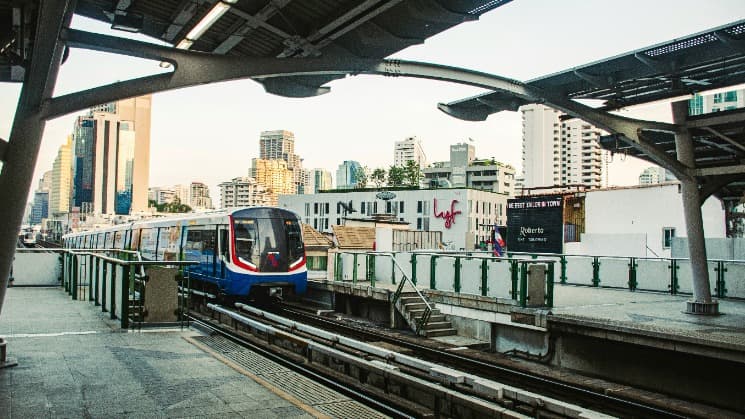
You can experience a lot of Thailand without paying for expensive tours or organised excursions. Many of the best days come from exploring at your own pace.
Thailand has many low cost ways to experience the country, including local temples, night markets, historic neighbourhoods, nature trails, public beaches, waterfalls and viewpoints. Many smaller temples are free or ask only for a small donation, while major sights can still be fairly affordable. In Bangkok, Wat Arun is about $6, Wat Pho is about $8 to $9 and the Grand Palace is about $15 for foreign visitors.
Look beyond the biggest tourist attractions and you will often find cheaper alternatives. Independent temple visits can replace guided temple tours, and public beaches or easy to reach viewpoints can replace organised island excursions. National parks can also be good value, with foreign visitor entry often around $6 to $10 and access to trails, waterfalls and natural scenery.
Mobile data makes this much easier. You can check maps, find transport, translate signs and move between nearby sights without paying for a guide or hotel transfer. A <[link:thailandeSIM](link:thailandeSIM)> from BeachSIM helps you stay connected while exploring independently, keeping more of your $35 to $50 daily budget for food, drinks and experiences.
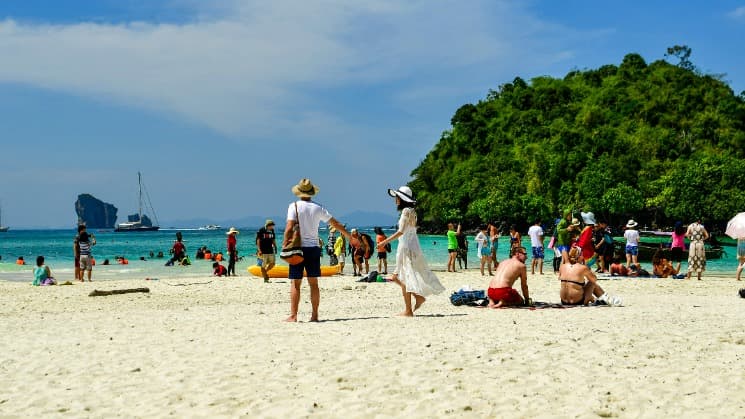
Markets in Thailand can be affordable places to buy souvenirs, clothing and local products. You do not always need to visit the most famous tourist markets to find good value.
Local markets can be very budget friendly. Basic souvenirs and accessories may start around $1 to $3, simple cotton clothing around $5 to $10 and elephant print trousers around $3 to $9. Treat these as rough guide prices, because quality and location can change the final cost.
The best known market is not always the cheapest. Local fresh markets, night markets and second hand markets can sometimes offer better value. Pattavikorn Market in Bangkok is known for inexpensive second hand clothing, while markets across Thailand can be good for affordable clothes, crafts, snacks and souvenirs.
Bargaining is common for many market goods, but compare a few stalls before negotiating. There is little point spending too long haggling over something already very cheap. If you are buying several similar items, ask for a combined price. Small purchases can still add up when the budget is tight.
Set a clear shopping allowance before you travel. Impulse buys can quickly undo the money you saved on accommodation and food.

Thailand is still very cash friendly, especially at markets, street stalls and smaller businesses. Carry some Thai baht in smaller notes. Avoid exchanging a large amount at the airport before checking rates, and compare reputable exchange counters in town when you can.
ATM fees and currency conversion can quietly raise costs for budget travellers. When practical, withdraw enough cash for several days instead of making repeated small withdrawals. Check whether your bank charges foreign transaction or currency conversion fees. If a card terminal offers a currency choice, paying in Thai baht can often avoid a less favourable conversion by the merchant.
Small fees matter when you are travelling on $35 to $50 a day. Repeated ATM charges and poor exchange rates can add up over a trip. It can also help to track spending in Thai baht instead of converting every small purchase into your home currency.
Thailand can be very affordable, but a few easy to miss expenses can make you spend more than planned.
Reliable mobile data can help you spend less in Thailand. Use Google Maps to find cheaper local sights, check public transport, compare nearby prices, translate menus and avoid paying for a taxi or tour just because you are unsure how to get around.
A Thailand eSIM from BeachSIM gives you data as soon as you arrive, without needing to find a SIM shop at the airport or rely on costly roaming.
A week in Thailand does not have to be expensive. With around $250-350, you can enjoy a lot if you make smart choices on where to stay, what to eat, how to get around, and where to spend on activities and connectivity. The key is knowing where your money goes furthest, avoiding unnecessary tourist markups, and focusing on the things that matter most to you.
Travelling on a budget does not mean missing out. With some planning, like picking affordable places to stay, using local transport, and sorting out your connectivity before you go, you can discover more and keep your spending in check. The best experiences are often the ones that do not cost much at all.
About the author


Denmark may be small, but fitting its best experiences into one trip isn't easy. From Copenhagen and castles to Viking sites and coastal escapes, this guide covers the best things to do in Denmark.
Thailand is famous for its stunning beaches, vibrant street food, tropical islands, and unforgettable experiences. But if you want to enjoy all this without blowing your budget, a little planning goes a long way. Before you book your flight, take some time to learn where your money can work hardest: from finding affordable places to stay and tasty local food, to knowing which expenses are worth skipping. A bit of know-how can help you stretch your travel budget further and make your adventure even more rewarding.
Where you travel matters, but so does how safe you feel when you get there. Here are the safest countries to visit in 2026, based on the latest Global Peace Index.
